
Reports > Economy
Changes in the Global Trade Environment and Countermeasures for the Korean Steel Industry
2025.03.26 Young-Sam Kim

#Hashtag
-
1. New International Order in the Global Economy
-
2. Changes in the Global Steel Trade Environment
-
3. Current Status of the Korean Steel Industry
-
4. Importance and Role of the Steel Industry
-
5. Response Measures for the Korean Steel Industry
-
6. Summary
Executive Summary
-
The Korean steel industry, which has grown thanks to free trade, needs to prepare for a new international order as the return of strong leaders leads to the collapse of global economic rules.
-
The US expects a US-centric reorganization of the international order. Meanwhile, with deglobalization and the breakdown of multilateralism, the international order is shifting from “values and norms” to “power and trade,” with economic security becoming the top priority.
-
-
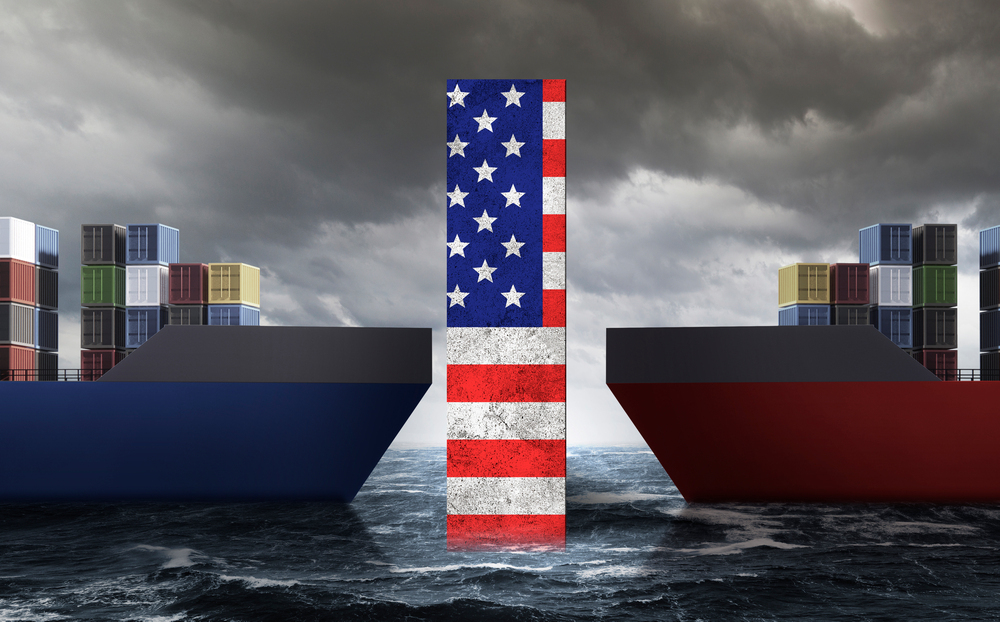
Amidst the uncertainty of the global economy, the global steel industry is also expected to face a turbulent year, with the conflict between China's export offensive and the US tariff attack likely to intensify.
-
(Stagnant Chinese demand) Peak China is becoming a reality, with negative growth expected after peaking in 2020.
-
Exports are being used to dispose of excess production, disrupting the global steel market with low-price offensives.
-
-
(Trump's tariff war) Imposing a 25% steel tariff on both allies and adversaries
-
Expanding to secondary products beyond steel, triggering a supply chain reorganization with a 25% tariff on automobiles and parts
-
-
(Protectionism domino effect) Strengthening protection and support to block imports and nurture domestic industries
-
Strengthening trade remedies such as safeguards, introducing carbon barriers, and establishing policies to rebuild manufacturing industries
-
-
-
The Korean steel industry is facing internal and external challenges with the advent of a new international order. Production bases are weakening due to sluggish demand and increased imports, and the market share of core products is rapidly declining.
-
Domestic demand has fallen by 20% compared to 10 years ago, and domestic production has decreased by 13% since 2018.
-
Direct and indirect exports have been hit by item tariffs and reciprocal tariffs, posing a threat.
-
-
As the backbone of manufacturing, the Korean steel industry needs to proactively respond to the complex crisis and maintain its competitiveness without wavering even in the new international order.
-
(Normalization of market order) Create fair competition conditions for domestically produced steel products
-
Establish an import monitoring system, strengthen origin regulations and anti-circumvention measures, and raise KS quality standards
-
-
(Minimization of trade risks) Stabilize key markets to improve the trade-sensitive industrial structure
-
Actively respond to changes in the needs of partner countries and build partnerships (energy, eco-friendly, defense, etc.)
-
-
(Strengthening the industrial ecosystem) Enhancing economic security and creating domestic demand
-
Expanding the use of domestic materials, developing mutually beneficial measures, and establishing related policy support
-
-
(Accelerating low-carbon technology development) Securing sustainable production methods
-
Establishing standards for low-carbon steel material, securing budgets for hydrogen-reduced ironmaking, and cultivating specialized human resources
-
-